The Brunch Shoe Problem Nobody Plans For: When It's a 20-Minute Walk

Quick Answer: Brunch outfits get styled for sitting at a table and then have to survive a walk, a wait outside, and standing in a queue. Pick the shoe for the walk first and build the outfit around it - a low block heel, a loafer, a clean sneaker, or an ankle boot all handle 20 minutes on pavement and still look considered. The shoe you can only sit in is the shoe that decides how the morning goes.
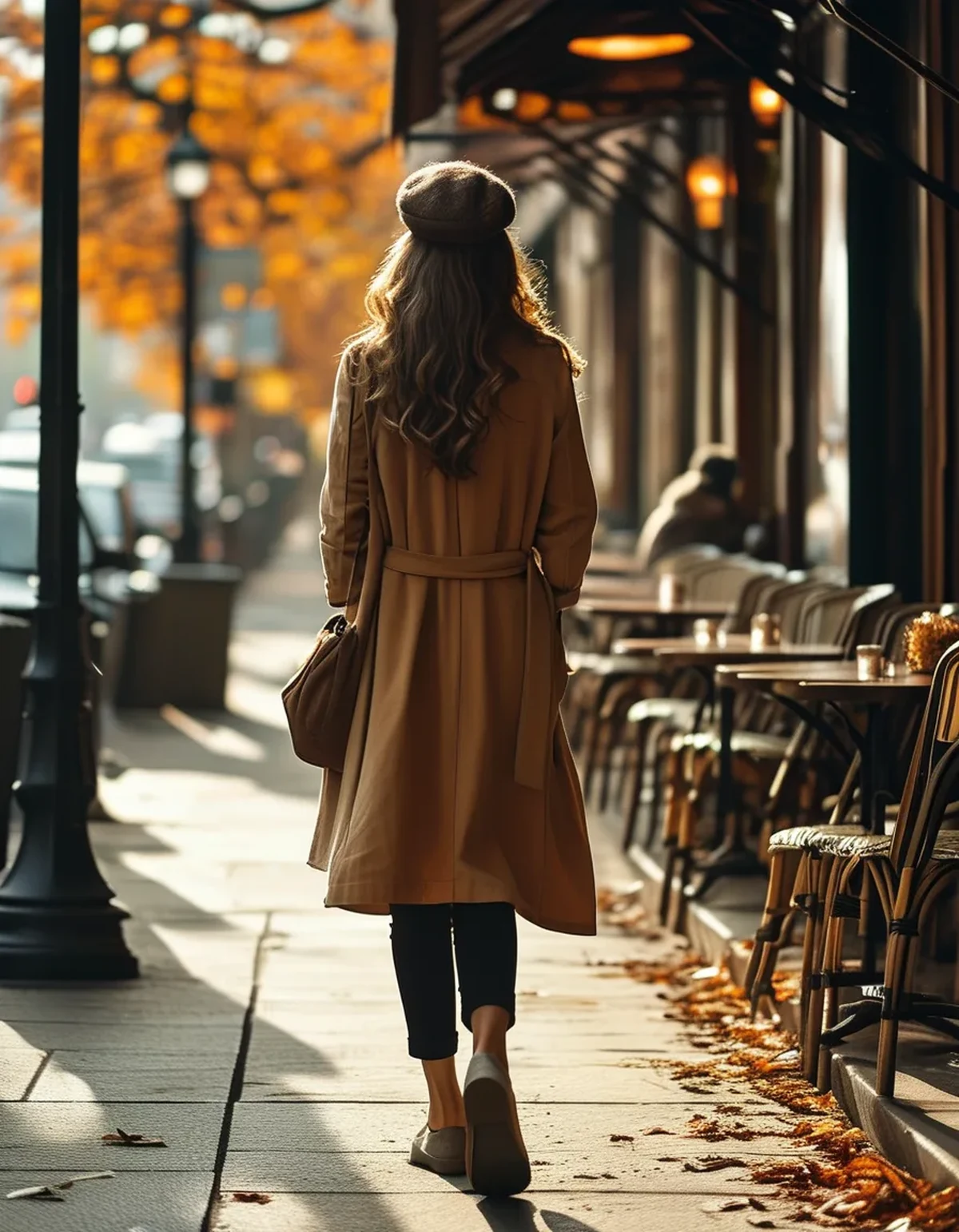
You dressed for a table. The morning turns out to be mostly pavement.
Why does the shoe decide the outfit and not the other way round?
Because it’s the only element with a hard functional constraint, and everything else is flexible.
A brunch outing is rarely just brunch. Realistically it’s a 15-20 minute walk, a wait outside because there’s no reservation, standing in a queue, sitting for 90 minutes, and then possibly walking somewhere else afterwards. The sitting portion is the part everyone dresses for and it’s less than half the time.
Everything else in an outfit adapts. A top that’s slightly warm can have sleeves pushed up. A jacket comes off. A bag gets swapped between hands. Shoes are the only item you cannot modify once you’ve left, and the only one where a wrong choice degrades continuously over the morning rather than being merely uncomfortable at one point.
The specific failure mode: a shoe chosen for how it looks under a table - a strappy sandal, a high block heel, a brand-new flat - which is fine for the first five minutes and increasingly not fine for the next two hours. You then spend the meal aware of your feet, which is the thing an outfit is supposed to prevent.
The reframe that fixes it: decide how far you’re walking, choose a shoe that handles that, and then build the outfit. This sounds obvious and it inverts how most people actually get dressed.
Which shoes actually handle a 20-minute walk?
Four categories that work, and why.
1. The low block heel, 1-2 inches. The best of both. Enough height to lengthen the leg and dress the outfit up, with a stable base that’s genuinely walkable. A block heel distributes weight across a wider surface than a stiletto, which is the whole reason it’s comfortable. Look for a slightly rounded toe rather than a sharp point if you’re walking any distance.
2. The loafer. The most consistently underrated brunch shoe. Structured enough to look deliberate, flat enough to walk in indefinitely, and it works with trousers, jeans, a skirt with socks, or a dress. A chunky-soled loafer adds a small amount of height without any of the instability.
3. The clean sneaker. Entirely acceptable now, with one condition: it has to be clean and low-profile. A white leather sneaker or a slim retro trainer reads as a styling choice; a running shoe reads as gym kit. This is the most comfortable option by a distance.
4. The ankle boot. The autumn default and the most weather-tolerant. A boot with a low block heel handles pavement, wet leaves, and cold, and it works with everything from jeans to a midi dress.
What struggles:
- Strappy sandals - straps rub on a longer walk and there’s no support
- Brand-new anything - a first wear on a 20-minute walk is a blister
- Mules and backless flats - the gripping motion your toes make to hold them on is genuinely tiring over distance
- Stiletto heels - unstable on pavement, sink in grass, and catch on outdoor seating decks
5 Mistakes People Make Dressing for Brunch
Mistake 1: Dressing for the temperature at 11am. Brunch spans a morning that can shift ten degrees, and outdoor seating in autumn is much colder than the walk over. A layer you can add is worth more than getting the base right.
Mistake 2: Forgetting about outdoor seating. Restaurants keep patios open well into autumn with heaters, and heaters warm your top half while your legs stay cold. If outdoor seating is possible, that’s an argument for trousers or boots regardless of how the day feels.
Mistake 3: A bag you have to hold. Ninety minutes at a table with a bag on your lap or on a wet floor is a small ongoing irritation. A crossbody or a bag with a strap you can hang is a completely different experience - this is a minor detail that has an outsized effect on how relaxed the morning feels.
Mistake 4: Anything that restricts eating. A fitted waistband that’s fine at 11am is not fine at 12.30. This isn’t about eating too much - it’s that a rigid waistband over a normal meal while seated is uncomfortable in a way that a soft or higher-rise one isn’t.
Mistake 5: Wearing the outfit for the first time. New shoes, new trousers, or an untested combination on a morning that involves walking and sitting for hours is how you discover a fit problem in public. Wear it around the house first, which sounds excessive and takes four minutes.
How do you build the outfit around the shoe?
Four formulas, one per shoe, all cold-morning appropriate.
Around the low block heel: straight or wide-leg trousers, a fine knit, and a blazer or trench. The heel height sets the trouser hem, so this is the one to check before you leave - a trouser hemmed for flats will look short.
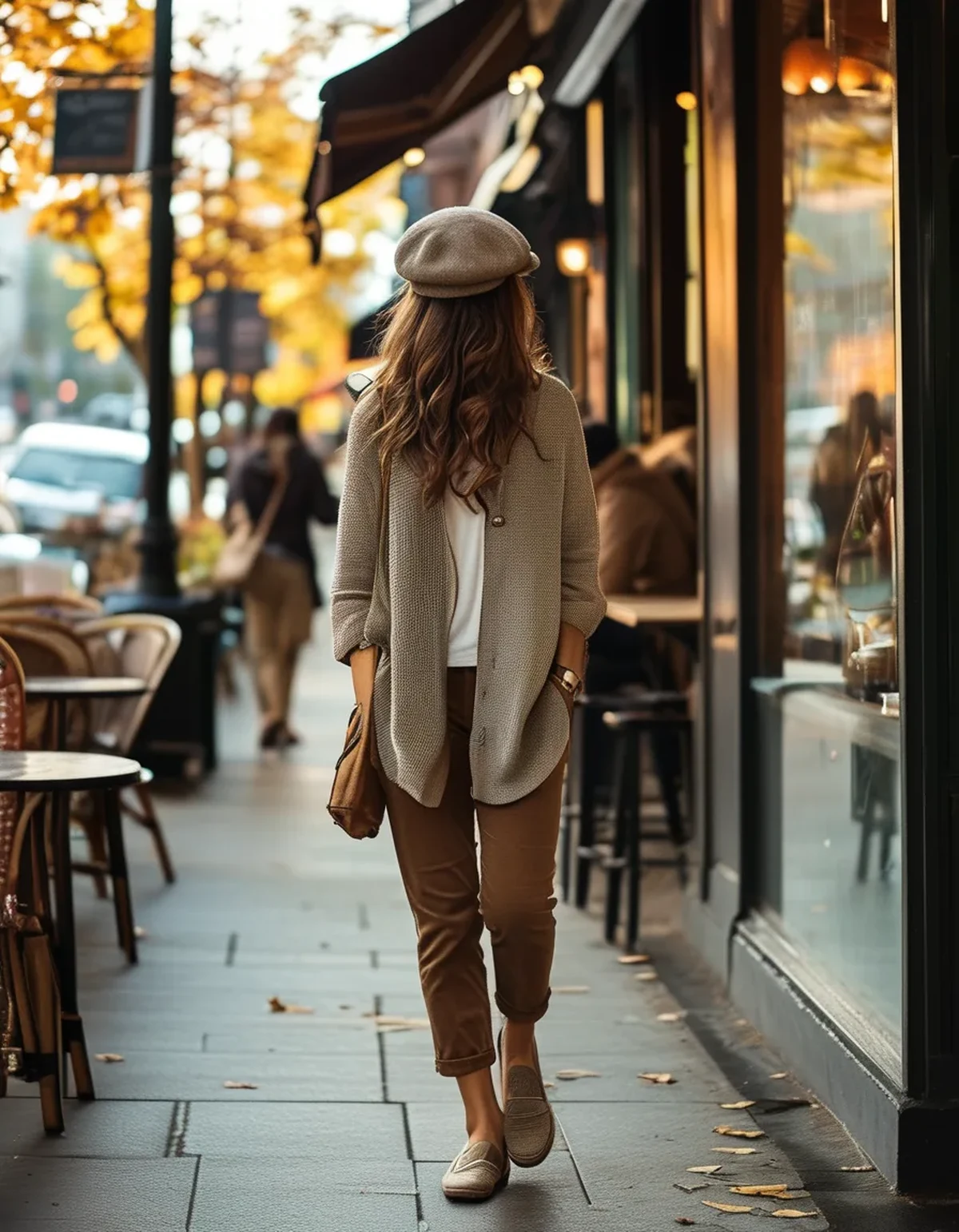
Around the loafer: cropped or ankle-length trousers with a visible sock, an oversized knit or a shirt with a knit over it, and a longer coat. The visible sock is the detail that makes loafers read as deliberate rather than as a shoe you grabbed.
Around the clean sneaker: jeans or a relaxed trouser, a hoodie or a sweatshirt with some structure, and a long coat over the top. The coat is what elevates this - the same outfit without it reads as errand clothes, and with it reads as considered casual.
Around the ankle boot: a midi skirt or dress with opaque tights, a chunky knit, and a coat. Or jeans with the boot underneath. The most seasonally appropriate of the four and the most tolerant of weather.
The through-line: all four work because the shoe is stable and the outfit’s proportions are built to match it. Swapping the shoe on any of these without adjusting the hem or the proportion is where outfits go wrong.
And two practical additions worth carrying regardless: a light scarf, which does a disproportionate amount of temperature work for the space it takes, and blister plasters in the bag if there’s any doubt at all about the shoe.
What if you’re going somewhere after?
The single most common thing that breaks a brunch outfit is the plan changing.
Brunch that becomes a walk, a market, or shopping is the standard escalation, and it’s the reason the shoe decision matters more than it appears. Assume a 20-minute walk you didn’t plan for, and choose accordingly.
Brunch that becomes an afternoon indoors means the coat comes off and stays off. Whatever’s underneath needs to work on its own - a great coat over a t-shirt is an outfit for a walk, not for three hours in a warm room.
Brunch before something with a dress code - a matinee, a gallery, someone’s house. The loafer and low-block-heel formulas both handle this; the sneaker version needs the coat kept on.
Brunch that turns into the evening. Rare, and worth having one adjustment available: a lipstick, swapping a knit for something under a blazer, or removing a layer to reveal a better top underneath. A single planned change is enough - trying to build an outfit that works for both properly usually means it works for neither.
The general principle worth ending on: the outfit that survives the day is the one built around the least flexible element. For brunch that’s almost always the shoe, and it’s almost always the last thing people think about.
Decide the walk, choose the shoe, build upward. Everything else has room to move.
FAQ: Brunch Outfit Questions, Answered
Are sneakers acceptable for brunch?
Widely, yes - as long as they’re clean, low-profile, and paired with a coat or a structured layer. A running shoe reads differently from a white leather trainer.
What’s the most versatile brunch shoe?
A low block heel or a chunky loafer. Both walk well, both dress up, and both work with trousers, skirts, and dresses.
How do I handle outdoor seating in autumn?
Assume it’s colder than the walk, and choose trousers or boots plus a layer you can add. Patio heaters warm your top half and do nothing for your legs.
What if I’m coming straight from a workout?
Shower if you can, and change everything rather than layering over gym kit. If time is short, a clean bottom layer and a structured top does more than a fresh top over leggings.
TL;DR:
- Brunch is mostly walking, waiting, and queuing - the sitting part is less than half of it
- The shoe is the only element you can’t modify once you’ve left, so choose it first
- Low block heel, loafer, clean sneaker, or ankle boot all handle 20 minutes on pavement
- A crossbody bag and a soft waistband fix two small irritations that last 90 minutes
- Assume outdoor seating and assume the plan escalates into a walk
Decide the walk. Choose the shoe. Then get dressed.
Keep Reading
This article is for general informational and styling purposes only. Fit, sizing, and product availability may vary.